Topic · Themes
Philosophy and ethics: all our articles
All 97 Alyriaz articles on the “Philosophy and ethics” topic: news, analysis and explainers, newest first. To stay up to date, you can get an alert as soon as a new article on this topic is published.
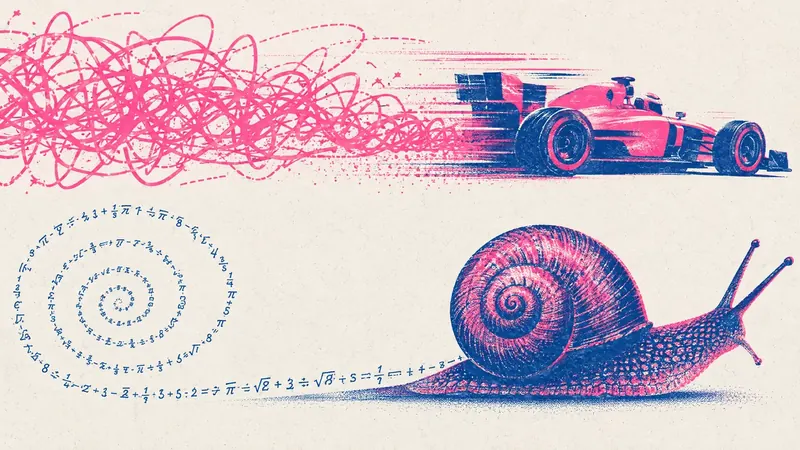
Is slowness a method?
Faced with results produced faster than they can be understood, we examine what slowness actually produced in knowledge, and what is lost when it disappears.
Is choosing still choosing when we no longer compare?
Delegating a purchase to an agent removes the comparison step. We examine what that step actually produced, and what becomes of a preference one no longer exercises.
Should we believe an extraordinary announcement?
When faced with a spectacular scientific claim, we examine what distinguishes methodical caution from performative scepticism, and which criteria allow us to form a judgement.
Illegal ads approved and monetised: the failure of automated moderation
An investigation has documented hundreds of illegal ads approved and monetised by a major platform over several months. We analyse what this episode reveals about the limits of automated moderation.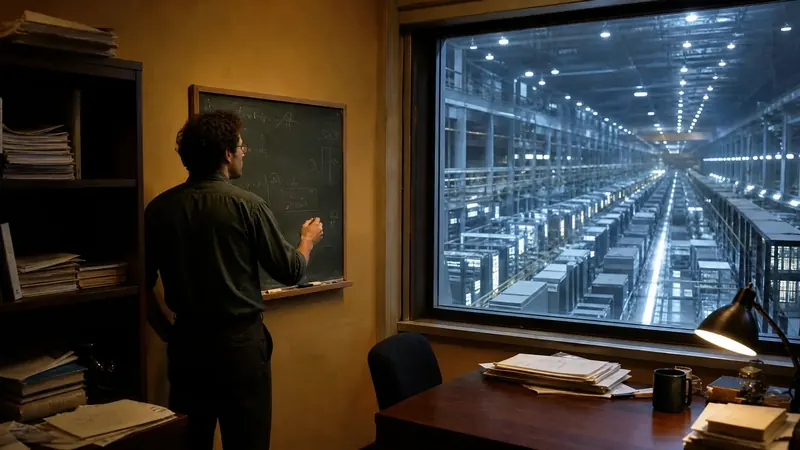
Who owns a research question?
When a team with considerable resources takes up a question others are already working on, the notion of scientific priority wobbles. We examine what the race changes in research.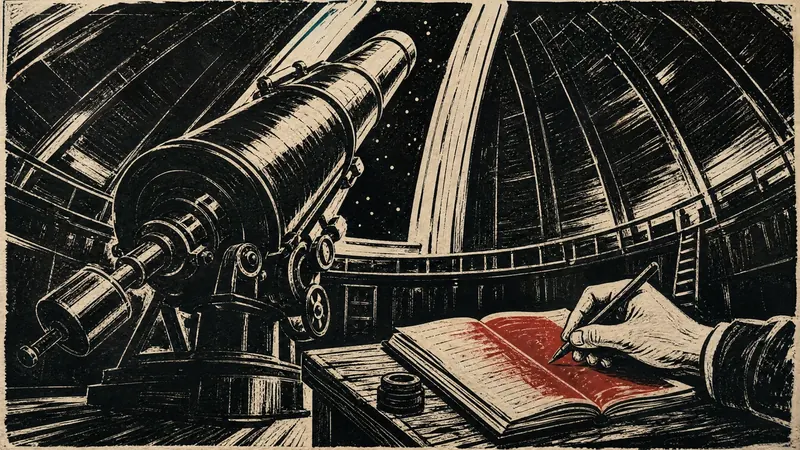
Who is the author of a discovery made with a machine?
When a scientific discovery results from a collaboration between a researcher and models, the question of attribution arises differently. We examine what it means to be the author of a result.
Do you have to be the best to count?
Faced with American and Chinese investments on an entirely different scale, we examine what it means to count in a competition one cannot win, and what sovereignty truly demands.
What deserves to be automated?
Technical feasibility is no longer the limit. The question is what should decide what we automate, and why time saved is a misleading criterion.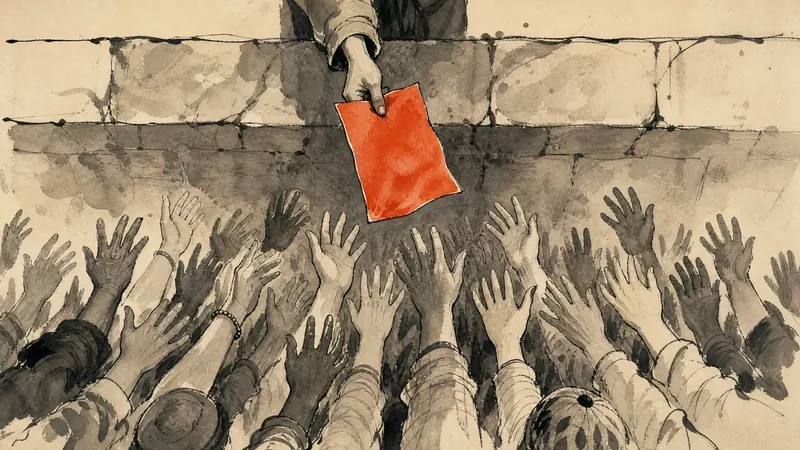
Can security research be dangerous?
A security research method has turned out to be directly usable as an attack tool. We examine the dual-use dilemma, the responses built by other disciplines, and what AI is missing.
What is progress?
The same week saw unprecedented capabilities and a lack of measurable gains. We examine what we call progress, why the two observations do not contradict each other, and against what it should be measured.
What is a proof, if no one can verify it?
The demonstrations produced by models are becoming too long and too numerous to be verified by humans. We examine what a proof is, who it holds for, and what changes when verification is delegated.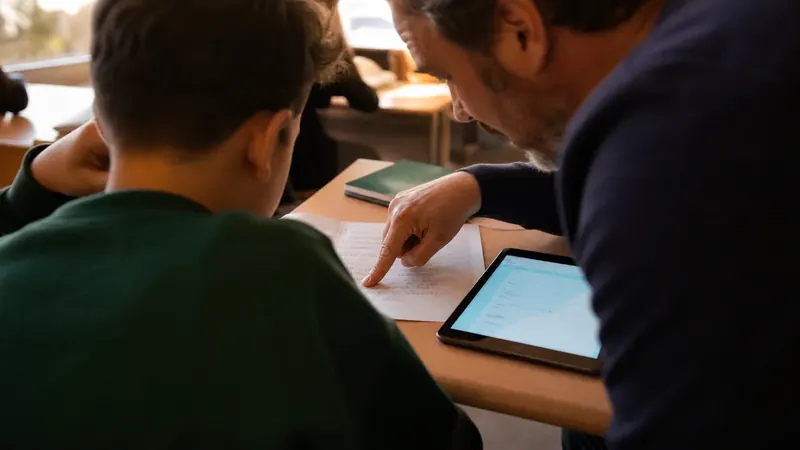
Can you learn without a teacher?
AI can explain, rephrase, correct, and adapt to each person's level. We examine what a teacher does that it doesn't, and why that changes the nature of learning.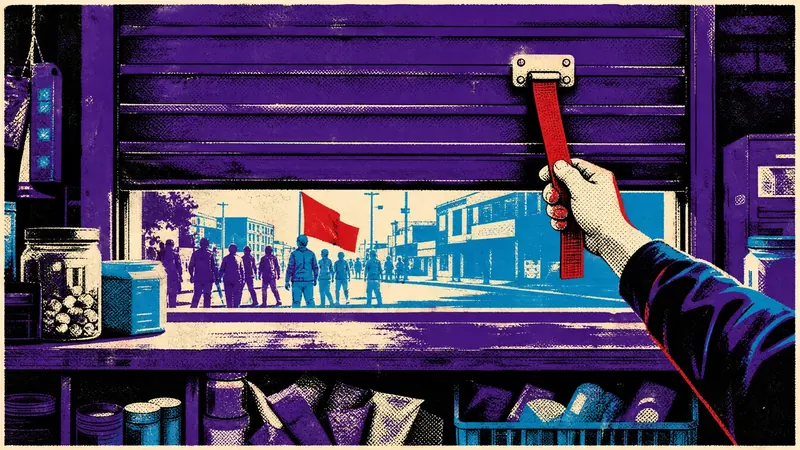
Are we allowed to refuse to sell?
When a company refuses certain uses of its technology, it wields a power that no one has granted it. We examine the arguments on both sides, and why neither is sufficient.
What makes a good decision?
A machine can optimise an outcome without being able to justify its approach. We examine what we truly expect from a decision, and why the process sometimes matters more than the result.
A fighter jet piloted entirely by AI: the debate moves beyond the military sphere
The US agency DARPA has conducted a test flight of an F-16 fully controlled by AI. We analyse what this trial means for the public debate on delegating decisions.
What do we owe to future generations?
The choices made today in terms of infrastructure, technological dependency, and skills will bind those who come after. We examine what we owe them, and what that means in practice.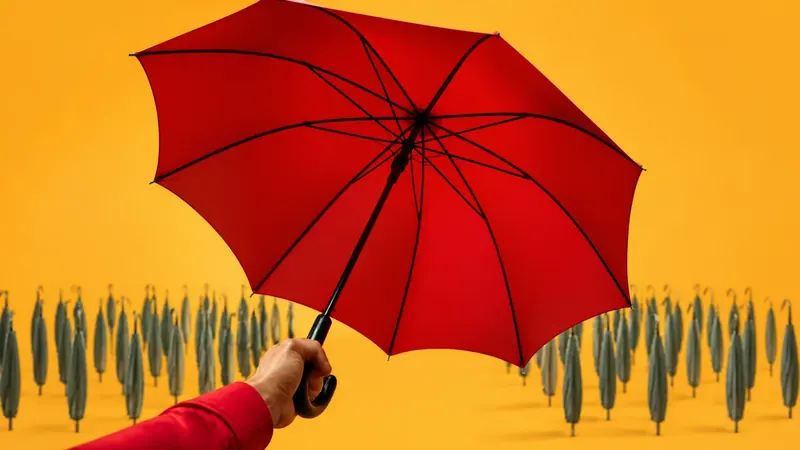
Is AI locking us into consensus?
A language model statistically produces the median opinion of its corpus. We examine what this implies for minority ideas, and why it is not exactly the problem one might think.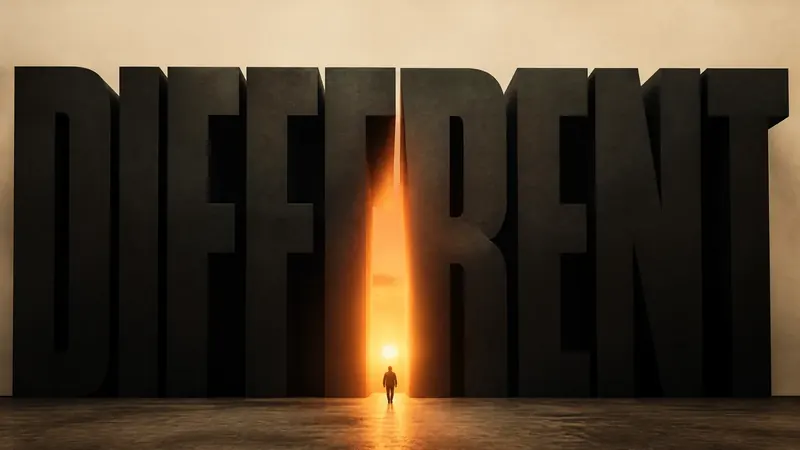
Bill Gates: "this transition is not like previous ones"
Bill Gates has published an essay on AI policy arguing that this transition differs from previous technological revolutions. We examine his argument and what can be said against it.
What will remain of us?
It is now technically possible to recreate the voice, handwriting and mannerisms of a person who has died. We examine what this possibility entails, for those left behind as well as for the one who is no longer here.
What do we lose when we no longer feel ashamed of not knowing?
Asking someone a question meant acknowledging your own ignorance. AI removes that social cost. We examine what this liberation actually brings, and what it takes away with it.
Other topics in “Themes”
- AI agents77 articles
- Code and developers22 articles
- Images and video20 articles
- Voice and music15 articles
- Robots and self-driving cars9 articles
- Health15 articles
- School and education16 articles
- Jobs and work34 articles
- Laws and regulation59 articles
- Cybersecurity32 articles
- Safety and risks51 articles
- Privacy and data45 articles
- Disinformation and deepfakes34 articles
- Energy and climate15 articles
- Chips and data centers40 articles
- Research and science43 articles
- Money and markets53 articles
- AI prices and costs43 articles
- Geopolitics and sovereignty58 articles
- Open source and local AI44 articles
- Culture and creativity42 articles
- Everyday life32 articles
- Understanding AI122 articles
- Benchmarks and comparisons30 articles