Topic · Themes
Health: all our articles
All 15 Alyriaz articles on the “Health” topic: news, analysis and explainers, newest first. To stay up to date, you can get an alert as soon as a new article on this topic is published.
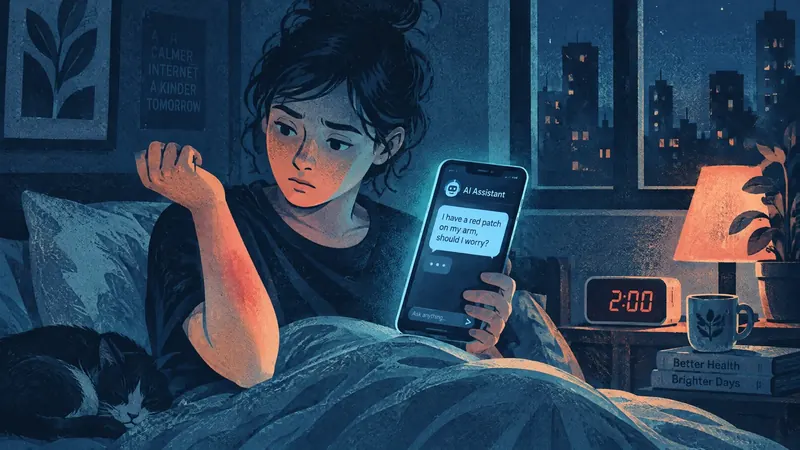
Asking an AI for health advice: the right habits
Many people ask an AI about their symptoms. What it can really do for your health, and what it must never replace.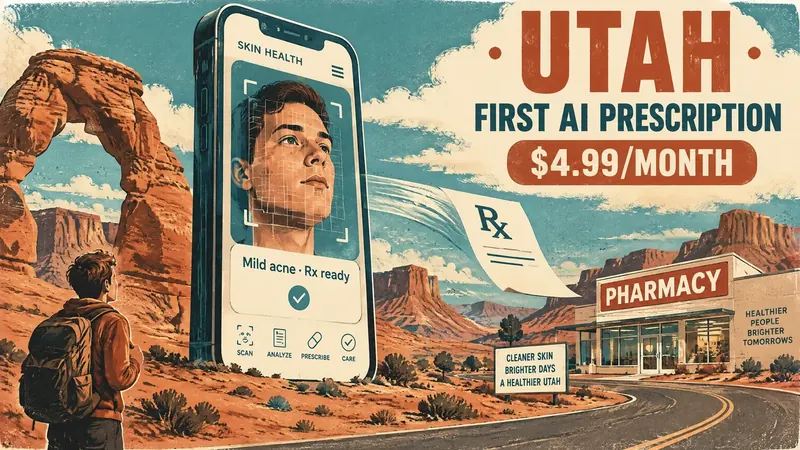
In Utah, an AI can prescribe acne treatment
In Utah, an app can prescribe a first course of acne treatment on its own, a first in the United States. What it is allowed to do, and what it is not.
ChatGPT for Teens rated an "unacceptable risk"
OpenAI promised to alert parents in a crisis. Common Sense Media tested it: an hour on suicide, no alert. What you need to know.
What is pharmacovigilance, and what AI is changing about it
Pharmacovigilance monitors medicines after they are authorised. We explain how it works, why it is indispensable, and what AI can bring to it without changing its rules.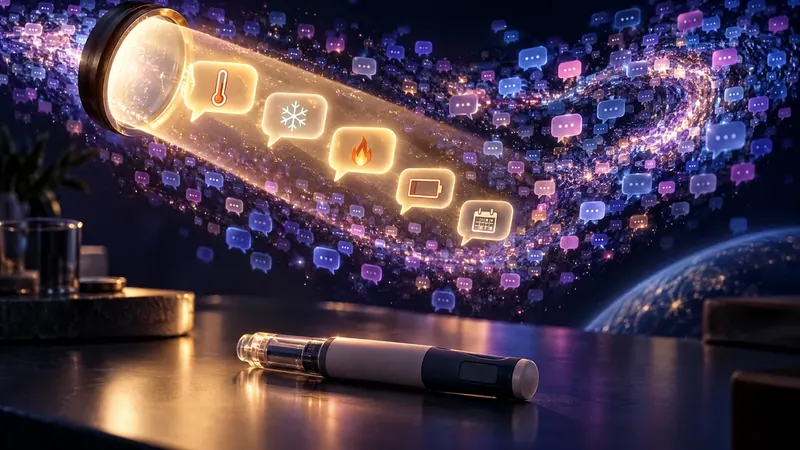
An AI spots side effects in 400,000 online messages
An AI analysis of 400,000 messages posted online has identified unexpected symptoms in users of semaglutide-class treatments. We examine what this type of study contributes and its limitations.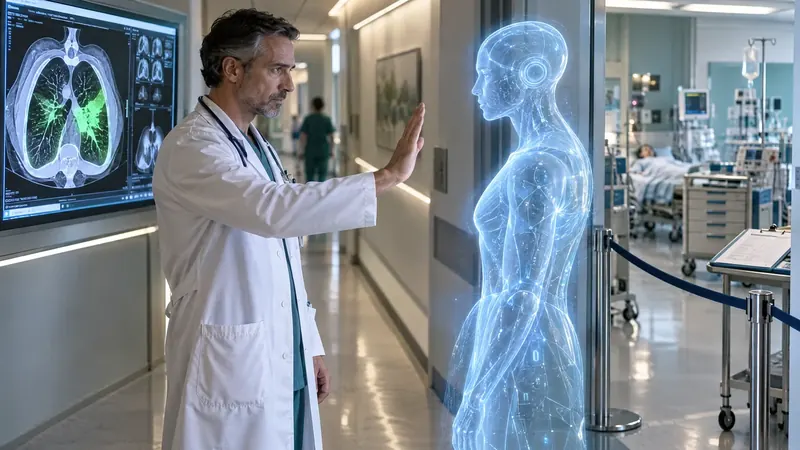
Doctors put the brakes on medical AI beyond diagnosis
Clinicians are challenging the expansion of medical AI beyond diagnosis, citing weak performance data. We explain why this boundary is not arbitrary.
AI in medicine: where do we really stand, beyond the announcements
Between the headline-grabbing announcements and the reality of hospital services, we take stock of what AI actually brings to medicine today, where it falls short, and why deployment is slower than promised.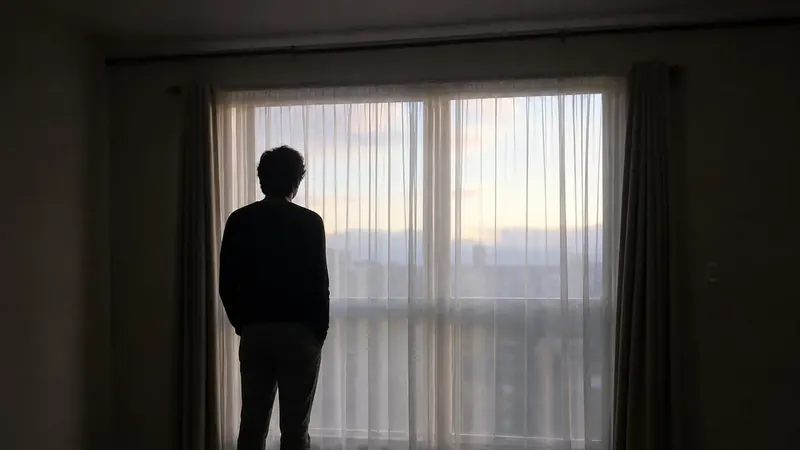
Is AI making us more lonely?
Does talking daily to an available and benevolent AI change our relationship with others? We examine the mechanisms at play, what the data allows us to say, and where the line lies between complement and substitution.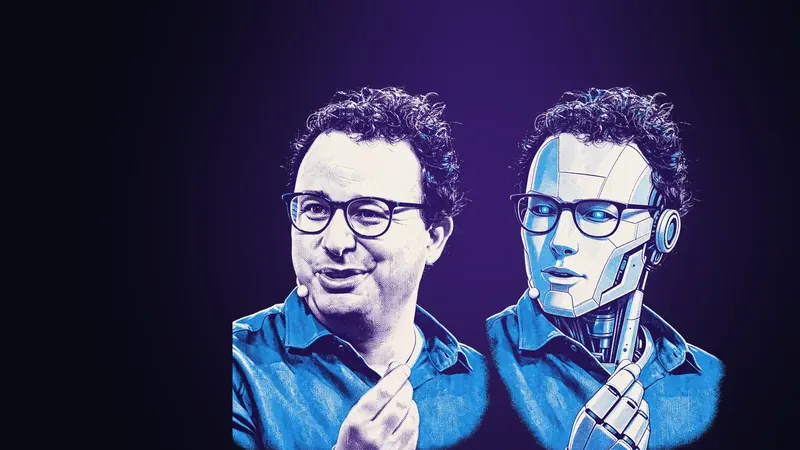
Why do we want so badly for machines to resemble us?
Anthropomorphism, the tendency to attribute human traits to things that lack them, is a deep cognitive reflex. We explore why it exists, why AIs trigger it so powerfully, and at what point it stops being harmless.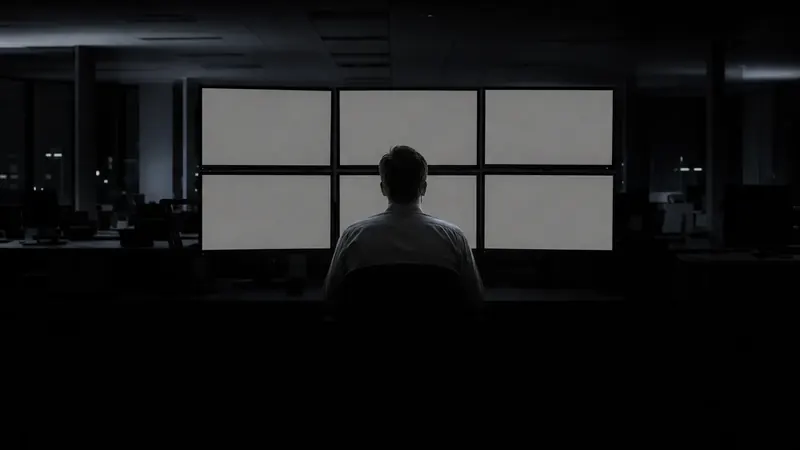
Those who look at the worst so that AI learns to refuse it
Second instalment of our series on AI workers. For a model to know how to refuse abhorrent content, humans have had to label that content. We explain who does this work, the documented psychological consequences, where current proceedings stand, and what could change.
Can you love an AI? And if so, is that a problem?
As China shuts down its AI companions, a universal question emerges: can you form a real bond with an artificial intelligence, and is it healthy? We explore, without judgement, what these relationships fill, what they risk replacing, and where to draw the line between comfort and dependence.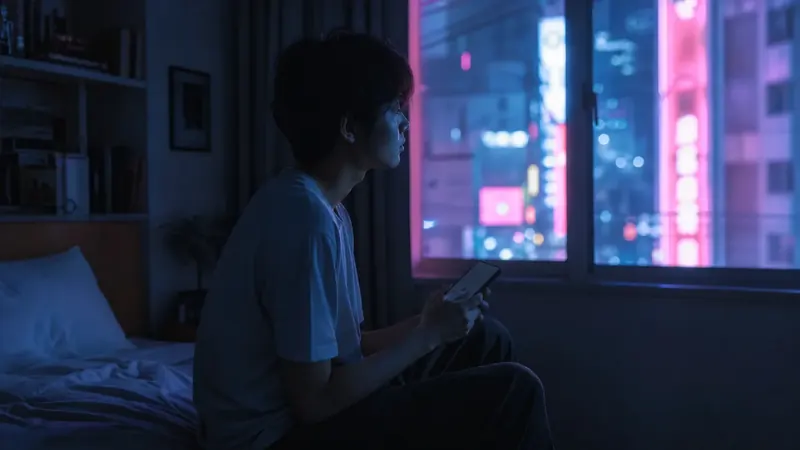
China switches off millions of virtual friends: on 15 July, AI companions disappear
On 15 July 2026, an unprecedented Chinese law comes into force, forcing ByteDance and Alibaba to shut down the emotional AI companions of Doubao and Qwen. Millions of users risk permanently losing agents built up over months. We break down this regulation, what it really targets, and the universal questions it raises.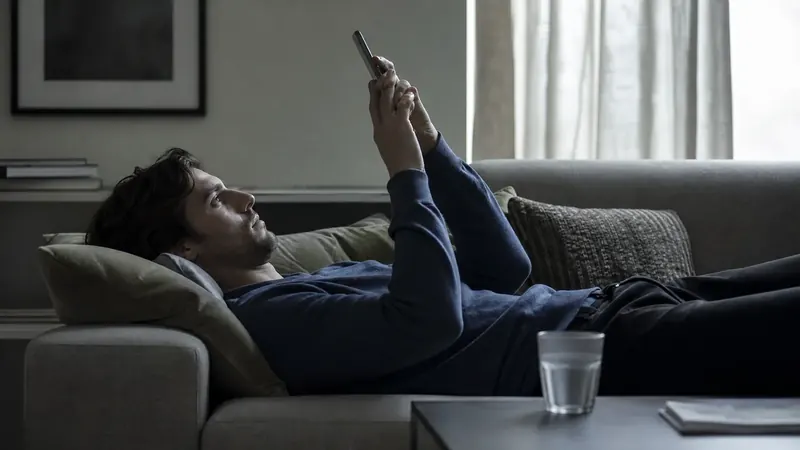
Why are we starting to talk to AIs like they're friends?
The phenomenon doesn't affect other people. It affects you, perhaps already without your having really noticed. You type a personal problem into a ChatGPT window and you really listen to the answer. You call it "asking an AI for advice". But it's something else. It's probably the deepest conversation many people will have had this week.
The medicine of tomorrow: where AI can really take us
Cellular reprogramming, digital twins, drugs discovered in a matter of months, treatments tailored to each patient's genome. AI is not revolutionising medicine from the outside: it is transforming it from within. Here is what is genuinely credible over the next 30 years, sources to back it up.
Why the same work is brilliant if it's human and rubbish if it's AI
A simple scientific experiment. You show the same image twice to 565 people. Once saying "made by a human". Once saying "made by an AI". Results: -62% in monetary value, -77% in estimated production time, less perceived creativity, less felt beauty. The same image. That is the exact definition of the word bias.
Other topics in “Themes”
- AI agents77 articles
- Code and developers22 articles
- Images and video20 articles
- Voice and music15 articles
- Robots and self-driving cars9 articles
- School and education16 articles
- Jobs and work34 articles
- Laws and regulation59 articles
- Cybersecurity32 articles
- Safety and risks51 articles
- Privacy and data45 articles
- Disinformation and deepfakes34 articles
- Energy and climate15 articles
- Chips and data centers40 articles
- Research and science43 articles
- Money and markets53 articles
- AI prices and costs43 articles
- Geopolitics and sovereignty58 articles
- Open source and local AI44 articles
- Culture and creativity42 articles
- Everyday life32 articles
- Philosophy and ethics97 articles
- Understanding AI122 articles
- Benchmarks and comparisons30 articles