Topic · Themes
Culture and creativity: all our articles
All 42 Alyriaz articles on the “Culture and creativity” topic: news, analysis and explainers, newest first. To stay up to date, you can get an alert as soon as a new article on this topic is published.
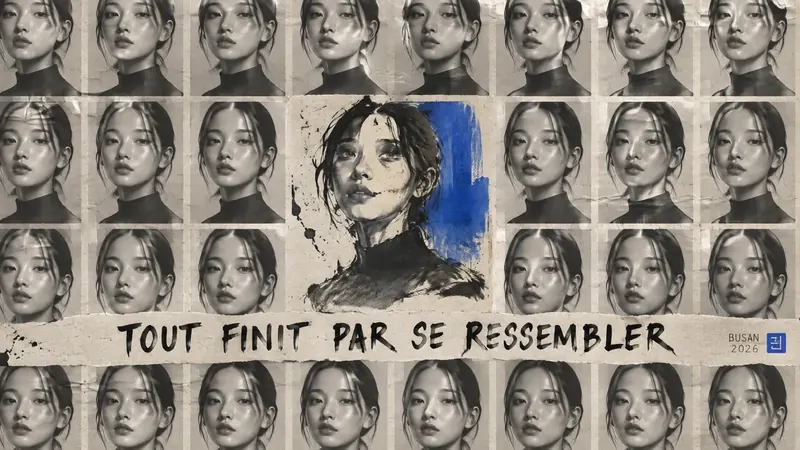
Can AI have style?
Without artists to guide it, AI produces images that all look the same, say filmmakers. So what is a style?
Learning a language with AI: the method that works
AI can become the conversation partner that everyone learning a language lacks. A five-step method, and its limits.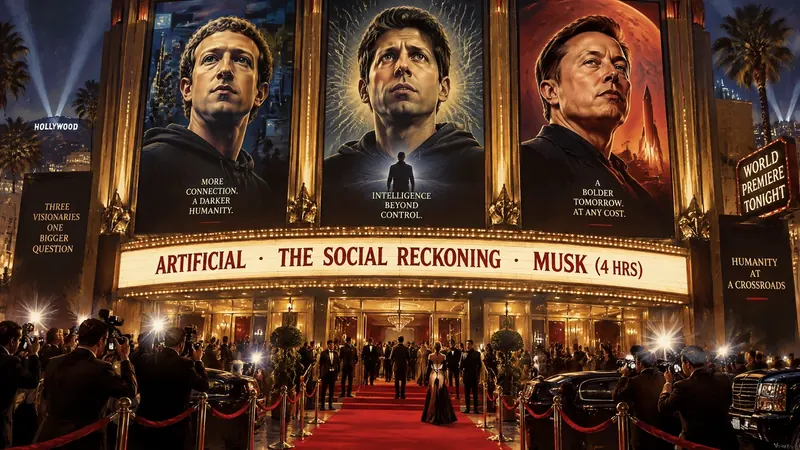
Hollywood takes on tech bosses
Andrew Garfield plays Sam Altman, Jeremy Strong Mark Zuckerberg. At the cinema, the central figure of AI is no longer a machine, but a boss.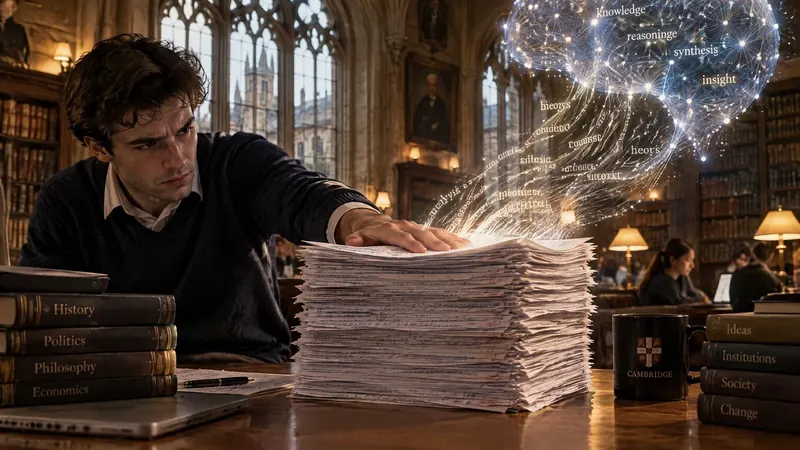
Will students' essays train AI?
Turnitin wanted to be able to use student papers for its AI tools. Cambridge refused at first, and the software backed down. What that tells us.
Bluffing: is it lying?
An AI bluffs better than Stratego champions. At the game table, that's allowed. But where does bluffing end and lying begin?
An AI beats the world's best Stratego player
Ataraxos beat the best Stratego player 15 games to 1. A game of bluff that even DeepMind had not managed to master.
Making your first AI video: the guide
Want to create a short video with AI? The simple steps to get a clean result, without spending all night on it or paying for nothing.
He ate a piece of work made by an AI. Was he right to be angry?
A student has been arrested for eating an AI-generated artwork in protest. We examine what this anger expresses, what is justified about it, and where it is aimed at the wrong target.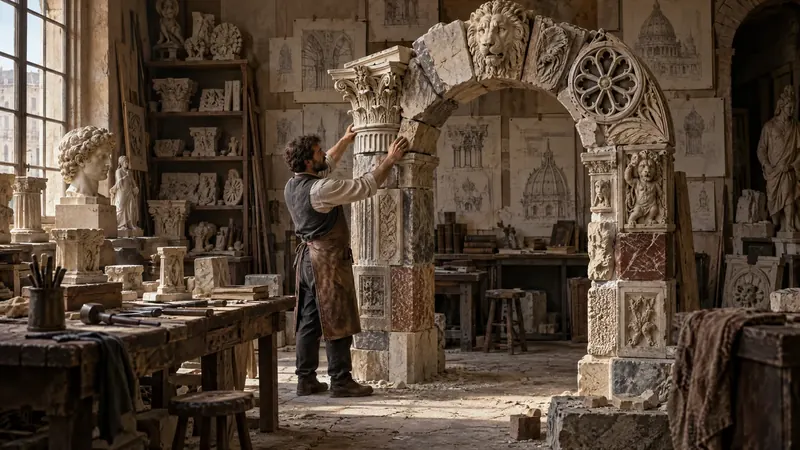
What does it mean to create, when everything already exists?
Is building on the work of others creating? We examine this question through the economic shift currently under way, and through what the history of art and technology has to say about it.
Cloudflare blocks mixed-use AI crawlers by default
Cloudflare's policy of blocking AI crawlers by default, which conflates indexing and training, has come into force. We explain the mechanism and what it changes in the balance of power with publishers.
Suno v6: models built on licensed music, and more lawsuits than a year ago
Suno launched on 9 September a family of three models built with Warner, BMG and Believe, while retiring the old ones. We analyse this shift towards licensing and the disputes that continue.
ChatGPT Images 2.5: three billion images a week, and a shift towards editing
OpenAI has released ChatGPT Images 2.5 with two models for developers, halved latency, and gains focused on editing. We analyse this shift and what it targets.
How does an AI transcribe speech?
Speech recognition turns a continuous signal into words. We explain the mechanism, why certain situations remain difficult, and how to get better results.
Transcription drops to ten cents an hour
Microsoft has released a speech recognition model at $0.10 per hour of audio, down 72% in five months, covering sixty languages. We analyse what this collapse in costs makes possible.
An Arabic model with 428 billion parameters, built on Chinese weights
A Saudi lab has released a 428-billion-parameter model for Arabic, built on Chinese open weights. We analyse what this combination reveals about the new geography of AI.
Sony and Warner sue Anthropic over song lyrics, targeting founders personally
Sony Music Publishing and Warner Chappell have filed a lawsuit against Anthropic and its founders over the use of song lyrics in training. We analyse the strategy and what the books precedent changes.
The languages the big models ignore
State-of-the-art models perform poorly in most of the world's languages. We explain why, what it costs hundreds of millions of people, and why local players are stepping in.
Thomson Reuters builds its own model that only talks about law
Thomson Reuters has announced its first proprietary model, trained from an open base on decades of in-house legal content. We analyse what this move reveals about the value of specialised data.
What is a text "about oneself"?
The question of the authenticity of a text written with assistance is not settled by a percentage. What matters is examining what makes a production belong to someone, and why the answer depends on what is expected of it.
Can an AI have an idea that no one has had before?
A benchmark published in August 2026 measures models' ability to generate a scientific hypothesis by stripping away anything they might have memorised. The results suggest a real ceiling. We explain the protocol and what it reveals.
Other topics in “Themes”
- AI agents77 articles
- Code and developers22 articles
- Images and video20 articles
- Voice and music15 articles
- Robots and self-driving cars9 articles
- Health15 articles
- School and education16 articles
- Jobs and work34 articles
- Laws and regulation59 articles
- Cybersecurity32 articles
- Safety and risks51 articles
- Privacy and data45 articles
- Disinformation and deepfakes34 articles
- Energy and climate15 articles
- Chips and data centers40 articles
- Research and science43 articles
- Money and markets53 articles
- AI prices and costs43 articles
- Geopolitics and sovereignty58 articles
- Open source and local AI44 articles
- Everyday life32 articles
- Philosophy and ethics97 articles
- Understanding AI122 articles
- Benchmarks and comparisons30 articles