Topic · Themes
Disinformation and deepfakes: all our articles
All 34 Alyriaz articles on the “Disinformation and deepfakes” topic: news, analysis and explainers, newest first. To stay up to date, you can get an alert as soon as a new article on this topic is published.
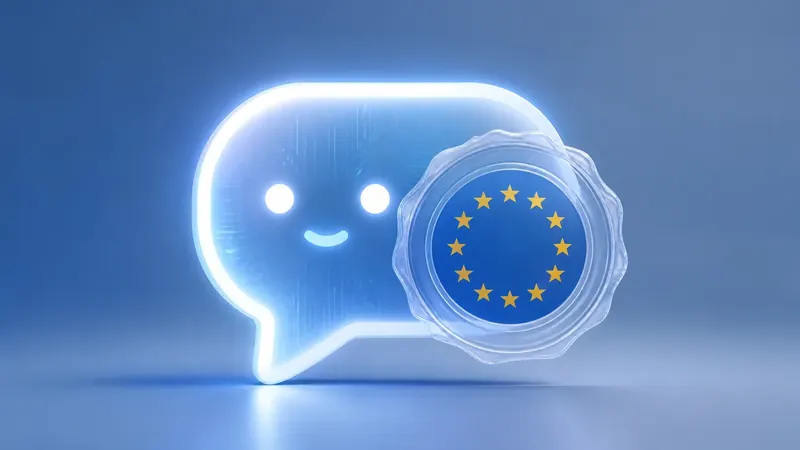
Europe now requires AIs to register
The transparency obligations of the European AI regulation have come into force. Conversational systems must disclose their nature, and generated content must be identifiable. We explain the real scope of these rules.
What is a text "about oneself"?
The question of the authenticity of a text written with assistance is not settled by a percentage. What matters is examining what makes a production belong to someone, and why the answer depends on what is expected of it.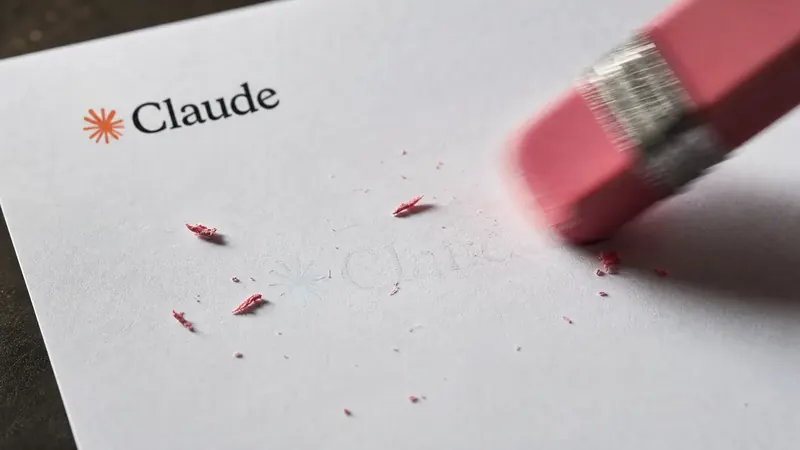
Claude's watermark bypassed in four hours
Anthropic has announced a watermark for texts produced by Claude. Code to remove it appeared four hours later. We explain why watermarking text is far more difficult than watermarking an image.
AI and older people: between genuine assistance and new vulnerability
Older people are among those who could benefit most from AI, and among the most exposed to its misuse. Here's a rundown of useful applications and the precautions needed.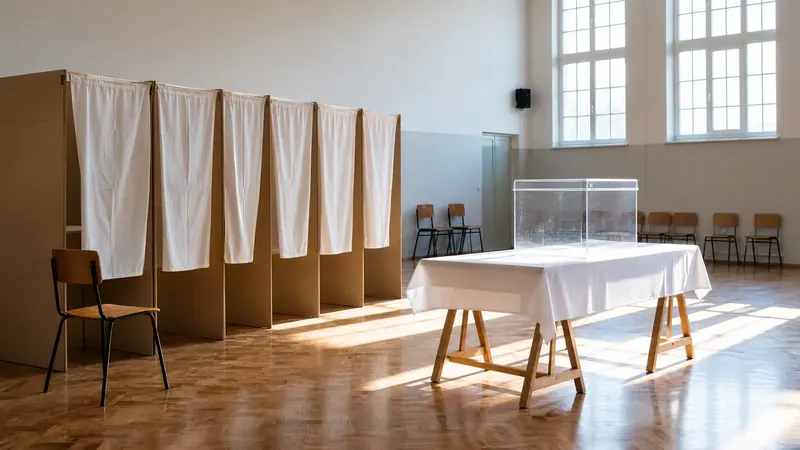
AI and electoral disinformation: what has actually changed
The catastrophic predictions about AI and elections did not exactly come true. We examine what actually happened, why the main danger is different, and what protects us nonetheless.
AI or search engine: which one to use, and when?
Many people have swapped web search for AI, or the other way round, without distinguishing what each does well. We offer a clear split, with the cases where one is clearly superior to the other.
AI agents speed up scientific code by 60x. The problem is, they seem to be right even when they're wrong.
A field report conducted by OpenAI and academic partners shows that coding agents can modernise neglected research software, with speed-ups of up to 60 times. The same report warns that these systems produce convincing and sometimes false results. We explain this tension.
Can we still believe what we see?
Photography long functioned as proof, because faking it was expensive. That economy has reversed. We explore what becomes of visual trust when the image ceases to be testimony, and what takes over.
What is C2PA? The invisible passport that will accompany every image
The C2PA is the technical standard that makes it possible to attach a verifiable history of origin to an image, video, or audio file. We explain how it works, why it upends the logic of detection, and what it cannot do.
From today, all AI-generated images must carry an invisible signature in California.
On 2 August 2026, California's SB 942 law comes into force: generative AI providers with over one million monthly users in the state must embed a provenance marker in every image, video and audio they produce, and offer a free public detection tool. We explain what this changes in practice.
How to verify what an AI tells you: the five-reflex method
An AI produces false information with the same confidence as accurate information. Here's a practical five-step method for spotting what needs verification, doing it quickly, and knowing where vigilance matters most.
An AI has just solved a 50-year-old maths problem in an hour. Well, maybe.
On 10 July 2026, OpenAI announced that GPT-5.6 Sol Ultra had produced a proof of the double-cycle covering conjecture, unresolved since the 1970s, in under an hour with 64 sub-agents running in parallel. We explain the feat, the novel method, and why caution remains warranted until the proof is verified.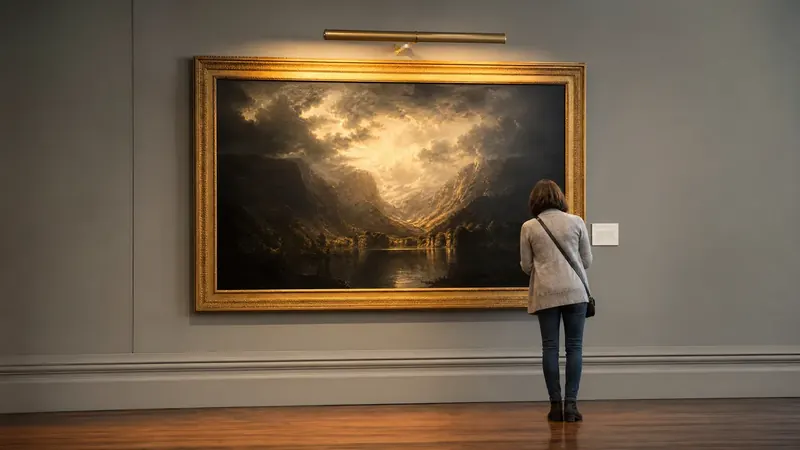
How do we recognise a human work when AI paints, writes and composes just as well?
For the first time in history, we can no longer tell whether a work was created by a human. This uncertainty is not trivial. It calls into question what art itself is, what we look for when we listen to it, look at it, read it. And perhaps, by contrast, what we look for in our own lives.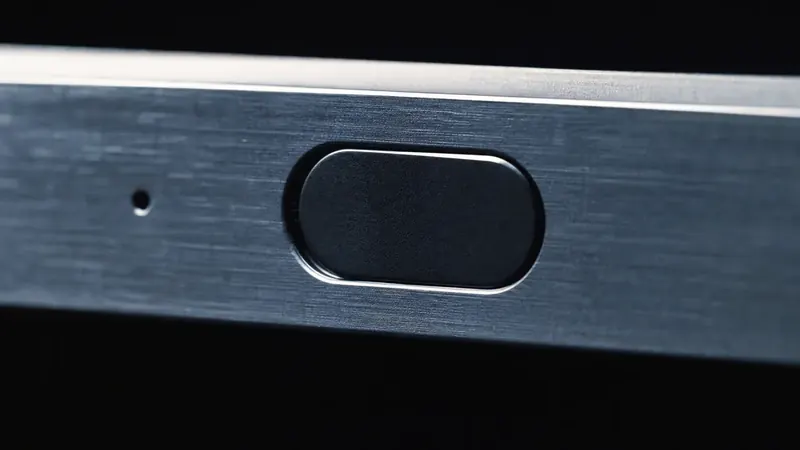
Deepfakes: what this technology really changes in our relationship with images
This article addresses the subject of non-consensual deepfakes, including those of a sexual nature. The tone is factual, not activist. The aim is to understand what is genuinely changing in our relationship with images in 2026, without dramatising or downplaying it. No graphic description is given; only the data and the legal reality are analysed.
Other topics in “Themes”
- AI agents77 articles
- Code and developers22 articles
- Images and video20 articles
- Voice and music15 articles
- Robots and self-driving cars9 articles
- Health15 articles
- School and education16 articles
- Jobs and work34 articles
- Laws and regulation59 articles
- Cybersecurity32 articles
- Safety and risks51 articles
- Privacy and data45 articles
- Energy and climate15 articles
- Chips and data centers40 articles
- Research and science43 articles
- Money and markets53 articles
- AI prices and costs43 articles
- Geopolitics and sovereignty58 articles
- Open source and local AI44 articles
- Culture and creativity42 articles
- Everyday life32 articles
- Philosophy and ethics97 articles
- Understanding AI122 articles
- Benchmarks and comparisons30 articles