BeginnerLesson 1 of 48 min read
An image born from a screen of static.
A course from the Academy: Understanding and creating images
Go to the quiz ↓The mechanism has nothing to do with that of text, and it is more surprising than one might imagine.
It starts with noise
The starting point is a rectangle of random pixels, exactly like the snow on a badly tuned old television. No shape, no intended colour.
The model then removes a little of this noise, again and again, asking itself at each pass: "if this image were to depict a lighthouse in a storm, what would it look like with a little less noise?" After a few dozen passes, the image appears.
This is called diffusion. It does not assemble pieces of existing photos: it sculpts noise until it resembles your description.
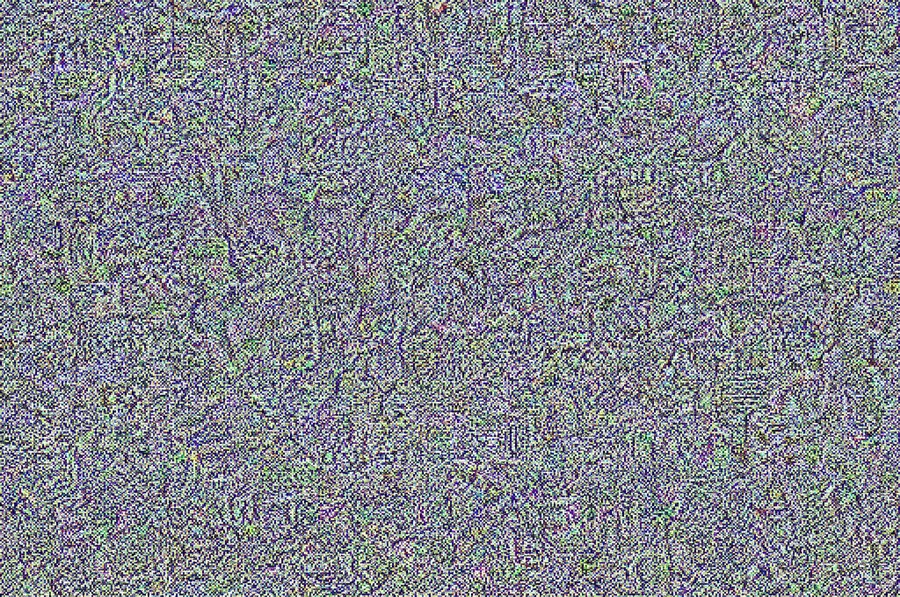 The startNoise, nothing else. No image is hidden in it.
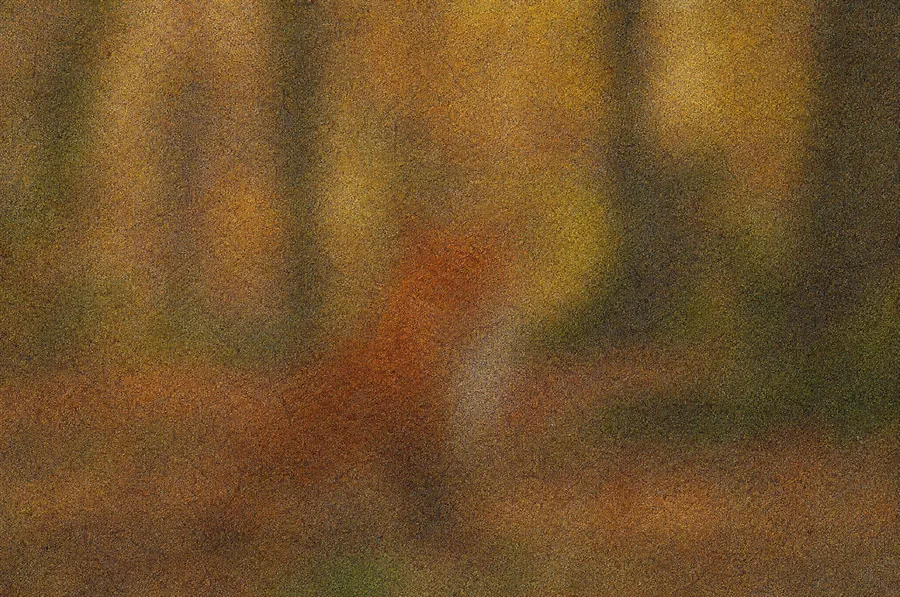 After a few passesMasses of colour. Nothing is identifiable yet.
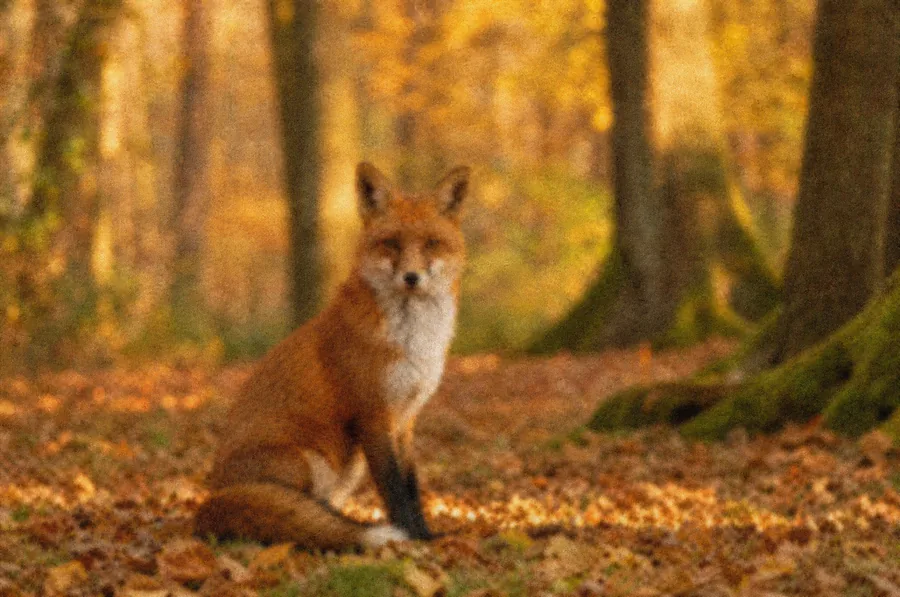 Further alongThe scene is taking shape, but everything remains soft and grainy.
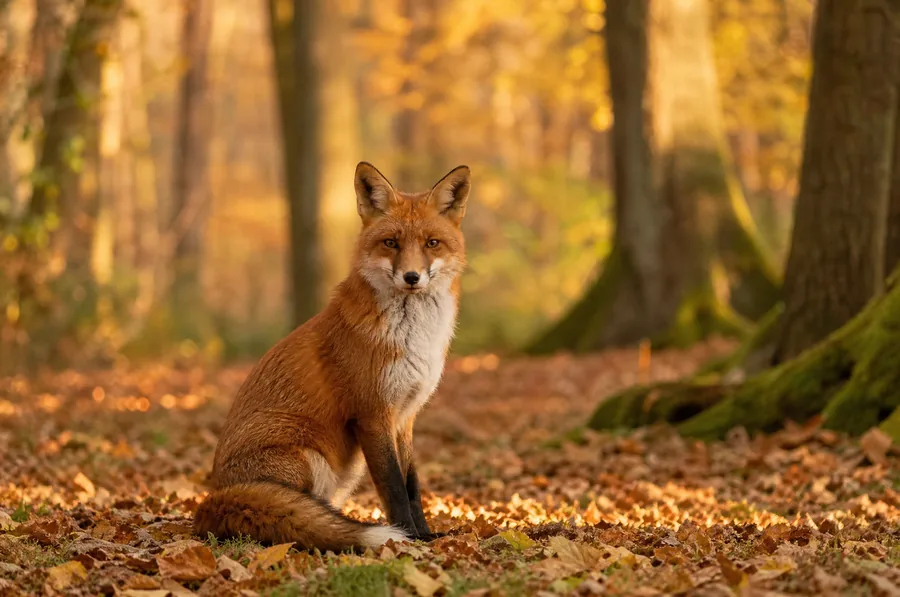 At the endThe requested image. It was nowhere at the start.
This is also why two identical attempts never yield the same image: the starting noise changes every time.
How these four images were made: the last one first, then the other three from it. Generating the noise first would have given four unrelated scenes, and the panel would have demonstrated nothing.
Three direct consequences
Two identical attempts give two different images. The starting noise changes every time. This is not a flaw, it is the principle.
Text in images was long botched. Letters are not shapes like any other: you need the right ones, in the right order, and diffusion seeks overall plausibility, not the exactness of a sequence of symbols. That is changing, and the end of this lesson explains why.
Hands are a problem. Five fingers, articulated, often partially hidden, in highly varied positions. It is one of the hardest subjects there is, and that is why they are the first thing people look at to spot a fabricated image.
What the very latest models change
What precedes describes diffusion, and most generators still work that way. But the best models of 2026 are no longer just denoisers: they are multimodal models that produce the image in the same stream as language, piece by piece. The system that knows how to spell a word is the very one that draws it.
A very concrete consequence: text now comes out correct on those models, signs and labels included. Hands have also improved a great deal. It is not diffusion that has been fixed, it is the driver that has changed.
Remember both, because both coexist: a free generator built into a website will still produce approximate letters, a cutting-edge model will not. And if you were using that flaw to spot a fabricated image, you need to stop: the lesson "Recognising a fabricated image or voice" says what to replace it with.
What this means for you
No point repeating the same request hoping for the same result, only better. Rerun to get variants, then choose.
Key concepts
Complete the lesson
A 4-question quiz: 3 correct answers are enough, plus an exercise to practise. It opens in the Academy, on this same lesson.
Take the quiz and complete the lesson Free. With an account, your progress is saved and leads to the course certificate.The course: Understanding and creating images
- An image born from a screen of static.8 min
- Write an image prompt that produces something.8 min
- What we are allowed to publish8 min
- What tool for what7 min